
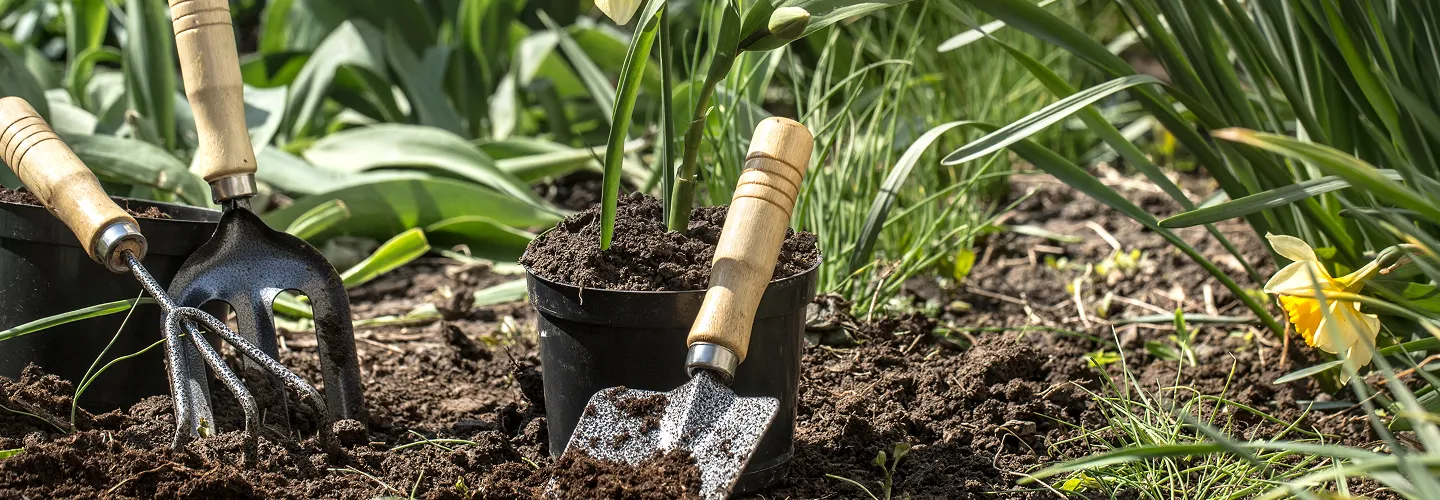
Twin City Flower Planting Services
Choose us for vibrant, expertly arranged flower beds that boost curb appeal and bring lasting beauty to your outdoor spaces—crafted with care by local professionals who know what blooms best in our region.
Get a Free QuoteOur Twin City Landscaping & Yard Care Services
When to Schedule Flower Planting in Twin City, Georgia – Seasonal Guide
In Twin City, Georgia, the best times for flower planting are closely tied to our unique climate and local landscape features. With mild winters and hot, humid summers, most residents find early spring and late fall to be the optimal planting windows. These periods allow new flowers to establish roots before the intense summer heat or potential winter frosts. Neighborhoods near George L. Smith State Park, for example, benefit from slightly cooler microclimates and richer soils, making them ideal for a wider variety of blooms.
Local environmental factors play a significant role in determining the success of your flower beds. Twin City’s average last frost date typically falls in late March, so planting after this point reduces the risk of cold damage. Areas with dense shade, such as those near the historic downtown or along Main Street, may require shade-tolerant varieties and careful soil preparation. Additionally, our region’s occasional droughts and clay-heavy soils mean that proper irrigation and soil amendments are essential for healthy, vibrant plantings. For more information on local planting guidelines and municipal considerations, visit the official city resource.
Local Factors to Consider for Flower Planting in Twin City
- Proximity to mature trees and resulting shade coverage
- Soil type (clay, loam, or sandy soils)
- Average precipitation and drought risk
- Terrain and drainage patterns
- Neighborhood-specific microclimates (e.g., near George L. Smith State Park)
- Municipal restrictions or guidelines on planting
Benefits of Flower Planting in Twin City
Expert Local Knowledge
Customized Landscape Designs
Seasonal Plant Selection
Enhanced Curb Appeal
Eco-Friendly Practices
Reliable Maintenance Services
Twin City Flower Planting Types

Annual Flower Beds
Colorful annuals provide vibrant seasonal displays for any landscape.
-
Perennial Gardens
Perennials return year after year, offering lasting beauty and low maintenance.
-
Native Plant Installations
Native flowers support local ecosystems and thrive in regional conditions.
-
Pollinator-Friendly Plantings
Attract bees, butterflies, and other pollinators with specialized flower selections.
-
Shade Garden Flowers
Shade-tolerant blooms brighten up areas with limited sunlight.
-
Container Flower Arrangements
Versatile containers add color and flexibility to patios and entryways.
-
Seasonal Bulb Plantings
Bulbs like tulips and daffodils create stunning spring and fall displays.
Our Flower Planting Process
Site Evaluation
Soil Preparation
Plant Selection
Careful Planting
Watering and Mulching
Why Choose Twin City Landscape Services
-
Twin City Homeowners Trust Us
-
Expert Lawn Maintenance
-
Reliable Seasonal Cleanup
-
Competitive Pricing
-
Professional Team
-
Satisfaction Guarantee
-
Personalized Service
Sandy Coastal Plain Soils in Twin City and Their Impact on Flower Bed Preparation
Twin City sits within Georgia's upper Coastal Plain region in Emanuel County, where soils are predominantly sandy loams from the Tifton, Fuquay, and Norfolk soil series. These soils are characteristically acidic, often registering a pH between 4.8 and 5.8, and drain rapidly—conditions that directly affect flower planting success. The USDA Web Soil Survey confirms that Emanuel County soils tend toward low organic matter content and limited nutrient retention. Before installing flower beds, property owners should address these conditions through targeted amendments:
- Organic matter incorporation: Add 2–4 inches of composted material to the top 6–8 inches of soil to improve moisture retention and nutrient-holding capacity.
- pH adjustment: Apply pelletized lime at rates guided by a soil test; UGA Cooperative Extension recommends testing every 2–3 years.
- Drainage assessment: While sandy soils drain well, low-lying areas near ditches or drainage swales may hold water seasonally, requiring raised bed construction.
Twin City falls within USDA Hardiness Zone 8b, supporting a wide range of warm-season annuals and perennials suited to long, hot summers and mild winters.
Optimal Flower Planting Windows for Twin City's Extended Growing Season
Twin City's location in south-central Georgia provides a growing season that typically extends from mid-March through late November, with average last frost dates near mid-March and first frost dates in mid-November. This extended window allows for multiple planting cycles, but timing remains critical for establishment success. The National Weather Service office serving the region provides localized frost advisories that should be monitored during transitional months. Recommended planting windows include:
- Spring annuals (petunias, marigolds, zinnias): Install after soil temperatures consistently reach 65°F, typically late March through mid-April.
- Warm-season perennials (lantana, salvia, coneflower): Plant from April through May to allow root establishment before peak summer heat.
- Fall color plantings (pansies, ornamental kale, mums): Install from mid-October through early November when daytime temperatures drop below 75°F.
- Summer transplants: Avoid planting during July and August peak heat unless supplemental irrigation is guaranteed for the first 3–4 weeks.
Soil temperature, not air temperature, should guide planting decisions. UGA Extension recommends using a soil thermometer at a 4-inch depth to confirm readiness.
How Twin City's Drainage Infrastructure Affects Flower Bed Placement and Runoff
Twin City Public Works maintains the city's network of roadside ditches, culverts, and stormwater conveyances that channel runoff through residential and commercial areas. Flower bed installations near these drainage features require careful planning to prevent soil erosion, mulch displacement, and nutrient-laden runoff from entering local waterways. The Georgia EPD Watershed Protection Branch oversees water quality standards that apply to all municipalities, including requirements under the Clean Water Act. Property owners and contractors should observe the following precautions:
- Maintain a minimum 3-foot vegetated buffer between flower beds and drainage ditches or stormwater inlets.
- Use shredded hardwood or pine straw mulch rather than lightweight materials that wash away during heavy rain events.
- Avoid applying granular fertilizer within 10 feet of any drainage conveyance; use slow-release formulations to reduce nutrient leaching.
- Grade planting beds so runoff flows toward permeable lawn areas rather than toward streets or ditches.
Property owners planning flower bed installations adjacent to public rights-of-way or drainage easements should verify setback requirements with Twin City's municipal offices. The city's Code of Ordinances, accessible through Municode, may contain provisions affecting plantings near public infrastructure.
Twin City Public Works
P.O. Box 587, Twin City, GA 30471
Phone: (478) 763-2160
Official Website: Twin City Public Works
Selecting Heat-Tolerant and Native Flower Species for Twin City Landscapes
Plant selection for Twin City flower beds must account for Zone 8b heat, high summer humidity, sandy acidic soils, and periodic drought stress. UGA Cooperative Extension recommends prioritizing species adapted to Georgia's Coastal Plain conditions rather than relying on cultivars bred for cooler or more alkaline environments. The following species perform reliably in Twin City's climate and soil profile:
- Annuals: Vinca (Catharanthus roseus), pentas, angelonia, and celosia tolerate full sun and sandy soils with minimal supplemental watering once established.
- Perennials: Black-eyed Susan (Rudbeckia hirta), coreopsis, and native bee balm (Monarda) return reliably and support local pollinators.
- Shade-tolerant options: Impatiens (for sheltered beds), caladiums, and coleus perform well under mature pecan and oak canopies common on older Twin City lots.
- Deer-resistant selections: Lantana, rosemary, and salvia are advisable in areas near wooded edges where deer pressure is documented.
Residents should avoid invasive ornamental species identified by UGA Extension's Invasive Species program, including Chinese privet and Japanese honeysuckle, which can escape cultivated beds and colonize adjacent natural areas along Ohoopee River tributaries and Emanuel County woodlands.
Zoning Compliance and Frontage Standards for Flower Plantings in Twin City
Twin City's zoning and building permit office administers land-use regulations that may affect flower bed installations, particularly on properties within commercial corridors, near public rights-of-way, or in areas subject to sight-distance requirements at intersections. The Twin City Code of Ordinances contains provisions governing property maintenance, vegetation height, and obstruction of public infrastructure. Before undertaking large-scale flower planting projects, property owners should consider:
- Sight triangles: Plantings at corner lots must not exceed height limits (typically 30 inches) within designated sight-distance triangles to maintain visibility for motorists and pedestrians.
- Right-of-way encroachment: Flower beds extending into city rights-of-way may require removal if they interfere with drainage maintenance, utility access, or pedestrian passage.
- Property line setbacks: Raised beds and border plantings near property boundaries should respect applicable setback requirements under the city's zoning ordinance.
- Commercial frontage: Businesses along US Highway 80 or GA Highway 121 corridors should verify any landscaping standards tied to commercial zoning districts.
For questions regarding zoning applicability, property owners may contact Twin City's Planning and Zoning office directly.
Twin City Planning and Zoning
P.O. Box 587, Twin City, GA 30471
Phone: (478) 763-2160
Official Website: Twin City Planning and Zoning
What Neighborhoods Do We Serve Throughout Twin City, GA?
- Downtown Twin City / Railroad Avenue Area: Older residential and mixed-use lots with compacted soils, mature shade trees, and narrow setbacks that require careful bed sizing and shade-tolerant flower selections. Proximity to municipal drainage infrastructure necessitates runoff-conscious planting practices.
- US 80 Corridor Residential Properties: Homes along and adjacent to US Highway 80 feature open, sun-exposed front yards with sandy loam soils well suited to full-sun annuals and perennials, though road dust and traffic vibration may affect delicate plantings near the roadway.
- South Twin City / GA 121 South: Properties in this area often have larger lots with mixed sun and partial shade from pecan groves, requiring soil amendment for acidic conditions and strategic species selection for varying light exposure.
- North Twin City / Norristown Road Area: Residential lots near the northern city limits border agricultural land and wooded edges, increasing deer pressure on flower beds and requiring deer-resistant species or protective fencing.
- Parks and Recreation District: Properties near Twin City's parks and recreational facilities benefit from municipal landscaping standards that encourage coordinated plantings; residents should consult Twin City Parks and Recreation regarding any community beautification programs.
- Emanuel County Rural-Fringe Properties: Lots at the city's periphery transitioning to rural Emanuel County land may have deeper sandy soils with lower organic content, requiring more intensive bed preparation and irrigation planning for successful flower establishment.